
Search
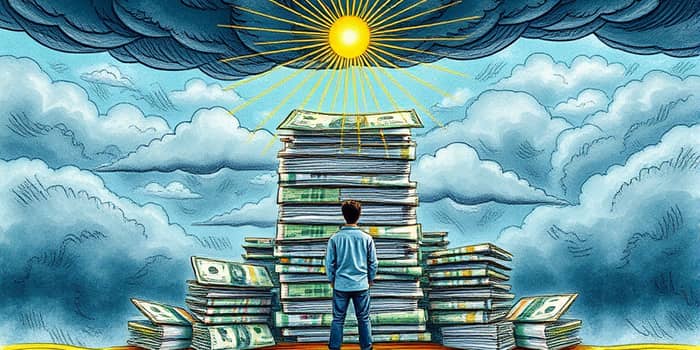
When you open a credit card statement or loan account summary, it’s easy to focus only on balances and due dates. But debt is more than numbers on a page—it carries stories, pressures, and opportunities for transformation.
On a national scale, the United States gross debt reached $38 trillion as of November 2025, with $29 trillion held by the public and $7.4 trillion intragovernmental. A debt-to-GDP ratio climbing above 124.3% in 2024 underscores a long-term trend of borrowing ahead of growth.
At the personal level, Americans reshape their financial priorities under this shadow. When federal deficits top $1.8 trillion for fiscal 2025, it’s a stark reminder that individual choices echo broader economic realities.
Consumer surveys reveal that 42% of Americans list debt reduction as their top priority for 2025, ahead of saving for a home or retirement. Despite economic expansion, credit card balances and loan delinquencies edge upward.
Understanding where you stand—and where the nation stands—creates context for your next moves. It’s not just your debt; it’s part of a collective story about spending, borrowing, and rebuilding.
Not all borrowing is equal. Good debt funds investments—home mortgages, student loans for career advancement, or business finance with predictable returns. By contrast, high-interest consumption debt such as credit cards and payday loans can erode financial stability.
A key measure is your debt-to-income ratio. Aim to keep outstanding charges at or below 20% of your available credit. That way, you preserve borrowing power and minimize risk of default.
Why does debt accumulate? On the macro side, persistent federal deficits and rising tariffs create inflationary pressure. In 2025, customs duty hikes soared over 250% in some sectors, while shutdown delays paused critical revenue flows.
At the personal level, discretionary spending on dining, streaming subscriptions, and impulsive retail purchases has climbed. Combined with lingering pandemic-era balances, many households carry more than they can comfortably repay.
Tackling debt requires both mindset and method. Begin with a comprehensive review of every balance, interest rate, and due date. Then choose approaches that suit your personality and goals.
Beyond these innovations, two classic payoff methods remain foundational:
Debt carries emotional weight—shame, anxiety, even paralysis. Celebrating small milestones and acknowledging progress can fuel perseverance. Remember, your debt didn’t form overnight; it will take consistent effort to reduce.
Visual tools, like color-coded calendars or progress bars, transform abstract numbers into tangible achievements. Pair this with regular check-ins, and you’ll find that motivation compounds over time.
As economic forecasts project debt-to-GDP climbing toward 126.8% by 2026, individual action becomes ever more vital. You are not powerless in the face of national trends—each step you take builds collective resilience.
By understanding the broader narrative and embracing proven strategies, you can move beyond the statement to a future of renewed confidence and financial freedom.
References