
Search
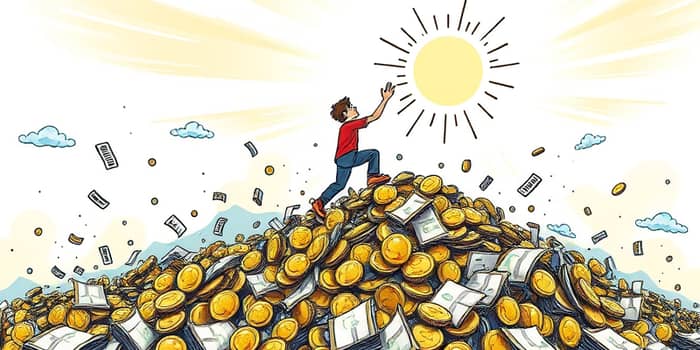
Debt setbacks can feel overwhelming, but resilience offers a path to recovery. This article explores statistics, stories, and strategies that empower individuals to regain control.
In Q2 2025, U.S. unsecured loan balances hit record $257 billion in Q2 2025, a 4% year-over-year increase. Bankcard originations rebounded by 4.5% YoY, though balance growth has slowed compared to prior years. Meanwhile, 90+ day delinquencies on consumer credit fell by 9 basis points, signaling a gradual improvement after years of rising defaults.
Mortgage originations climbed 5.1% YoY, despite elevated interest rates. FHA loan delinquencies ticked up slightly, reflecting persistent pricing pressures in housing and vehicles. At the global level, public debt surpassed $100 trillion in 2024, nearing 100% of global GDP by decade’s end—a challenging macroeconomic backdrop for personal resilience.
Financial resilience is the ability to withstand or recover from debt setbacks, such as job loss, medical emergencies, or sudden expenses, while maintaining financial obligations. A recent survey found that 70% of Americans describe themselves as financially resilient, but many overestimate their readiness for crises.
Only half of respondents felt confident coping with a major emergency, and 71% could last less than six months without external assistance. This preparedness gap highlights hidden vulnerabilities in household budgets and emergency planning.
Understanding obstacles and supports is key to building resilience. Barriers often compound quickly, while catalysts can accelerate recovery.
Case studies bring data to life, illustrating how individuals overcome daunting debt loads. These stories reveal common threads: structured plans, incremental wins, and unwavering determination.
Beyond these, some individuals have paid off over $100,000 in under three years, others eliminated $200,000 through rapid cash budgeting and lifestyle changes, and a few even wiped out $450,000 in 18 months by embracing no-spend challenges and family support.
Actionable tactics can transform distress into forward momentum. Tailoring approaches to personal circumstances ensures greater success.
Building even a modest emergency fund can buffer against future shocks, reducing reliance on high-cost credit. Emergency fund building is a cornerstone of sustainable resilience.
Resilience extends beyond numbers; it thrives on mindset and behavior. Open communication with family, regular reflection on goals, and celebrating small victories reinforce positive habits.
Behavioral shifts such as tracking spending, setting realistic milestones, and maintaining accountability partnerships help solidify progress. Emotional resilience—acknowledging setbacks without shame—fosters perseverance over the long haul.
A Financial Resilience Index sheds light on preparedness. In the Asia-Pacific region, confidence in meeting short-term goals fell from 72% to 65%, and long-term confidence dropped from 65% to 57%. Among high-resilience individuals, 83% felt confident in short-term obligations, whereas only 25% of low-resilience respondents did.
Additionally, 45% of high-resilience participants could last over six months without external help, compared to just 11% of their low-resilience counterparts. These figures underscore the tangible benefits of proactive resilience building.
Policy and community initiatives can amplify individual efforts. Recommendations include:
When institutions and individuals collaborate, a resilient ecosystem emerges—one where setbacks become temporary detours rather than insurmountable barriers.
In an era of rising debt pressures and economic uncertainty, resilience in repayment is not just a personal virtue, but a collective imperative. By leveraging data, embracing proven strategies, and fostering supportive networks, anyone can bounce back from debt setbacks and build a more secure financial future.
References