
Search
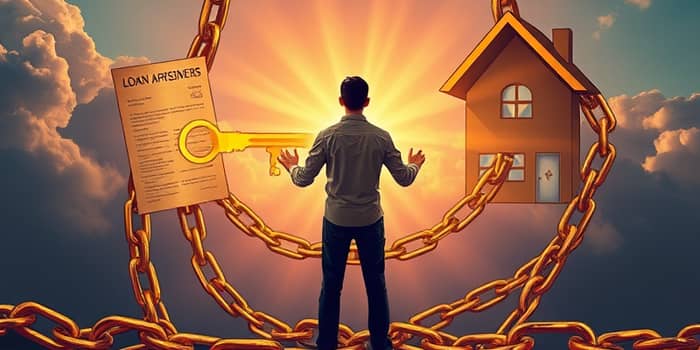
Debt touches nearly every aspect of modern life, carrying the power to build dreams or become a crushing weight. Whether you’re a first-time borrower saving for a home or an investor managing corporate credit, recognizing the full scope of what you owe—and what you stand to gain—is the first step toward genuine financial empowerment and independence. By understanding how loans are structured and why they cost what they do, you can transform anxiety into action and uncertainty into confidence.
At its core, debt is money someone owes to another person or business. It represents a promise between two parties: the creditor, who extends funds, and the debtor, who receives them and commits to repayment. Underpinning this agreement are interest charges, time frames, and, in some cases, pledged assets. By exploring these components, you gain clarity on how every dollar you borrow turns into a web of obligations, rights, and opportunities.
Every debt arrangement hinges on a handful of essential elements:
Not all debts behave the same way. Two principal distinctions—secured versus unsecured, and revolving versus installment—shape your borrowing experience, costs, and risk exposure.
When a loan is backed by a specific asset—like a house or car—it becomes a secured loan. Without collateral, it’s an unsecured obligation based solely on credit scores and income.
Another key division addresses repayment flexibility. Some debts revolve like a spinning wheel, while others march steadily toward completion.
Different forms of consumer debt offer varying trade-offs of cost and convenience. Recognizing these trade-offs helps you select the right borrowing tool for your situation—and avoid pitfalls that can break your budget.
Credit card debt is the quintessential revolving, unsecured loan. With a preset credit limit and a variable APR, it provides unparalleled flexibility. However, high interest and complex fee structures can lead to a debt spiral that takes years to overcome if only the minimum payment is made. Many borrowers find themselves trapped by unforeseen expenses, discovering interest accumulates faster than they can repay.
Mortgages are long-term, secured installment debts backed by real estate. Typical terms range from 15 to 30 years, at fixed or adjustable rates. While mortgages enable homeownership and equity building, they also tie your future to market fluctuations. Failing to budget for property taxes, insurance, or rate resets on adjustable mortgages can create unexpected strain.
Auto loans use the vehicle as collateral and usually span three to six years. Monthly payments combine principal and interest, making each installment predictable. Yet, missing payments can trigger swift repossession, and cars depreciate quickly, sometimes leaving negative equity—owing more than the car’s worth—in your lender’s records.
Student loans fund education costs with unique features. Federal loans often offer income-driven repayment, deferment, and forgiveness options, while private loans may lack such protections. Both types are typically unsecured but can persist for decades, influencing career choices and life plans long after graduation.
Medical debt emerges unpredictably from healthcare bills and is almost always unsecured. Even individuals with insurance may face high deductibles or surprise charges. Unpaid balances can rapidly enter collections, harming credit scores and compounding stress during already challenging health crises.
Personal loans serve diverse needs, from debt consolidation to home renovations. These unsecured or occasionally secured installment loans feature fixed interest rates and schedules. They can simplify your finances by rolling multiple balances into one payment, but fees and qualification requirements vary widely.
Understanding legal rights and consumer protections is as vital as knowing the cost. Laws often require lenders to provide clear disclosures, establish fair collection practices, and allow dispute resolutions. In dire situations, bankruptcy can offer a fresh start, though it carries long-term credit consequences.
To keep debt from spiraling out of control, develop a plan rooted in awareness and discipline:
Understand every balance, rate, and due date to avoid surprises and fees. Regularly reviewing statements helps you catch errors and challenge unfair charges.
Prioritize debts with the highest APRs to reduce total interest paid over time. This strategy can save thousands in the long run.
Build an emergency fund to cover unexpected expenses and prevent new debts when the car breaks down or a medical bill arrives.
Reach out before missing payments if financial hardship strikes. Many institutions offer hardship programs, rate reductions, or temporary payment suspensions.
Breaking free from debt is a journey of small, consistent victories. Begin by crafting a realistic budget that aligns income with expenses, savings, and debt payments. Use methods like:
Automate payments whenever possible to harness the power of consistency. Celebrate each milestone—whether it’s zeroing out a credit card or hitting the midway point on a car loan. Tracking progress fuels determination and keeps you focused on the finish line.
Debt is not inherently good or bad; it’s a resource. When wielded wisely, it can propel you toward homeownership, education, and growth. When ignored, it can become an oppressive force. By demystifying its true anatomy of your obligations and adopting strategic habits, you place yourself firmly in the driver’s seat of your financial future. Every deliberate payment, every informed decision, brings you closer to the freedom you deserve. Embrace the process, stay informed, and let your knowledge transform obligation into opportunity.
References