
Search
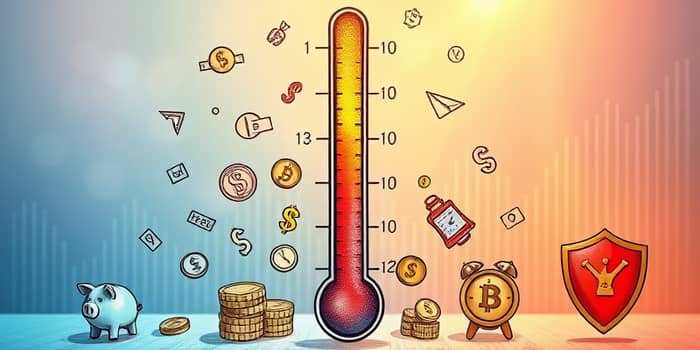
Many of us understand the concept of a thermometer measuring body temperature, but what if we could apply that same principle to our finances? This article introduces the Debt Thermometer as a powerful metaphor for assessing financial stability. By focusing on debt as the key vital sign, alongside other metrics like income, savings, and planning behaviors, you can quickly gauge whether your finances are overheating or operating at a sustainable level. Read on for an inspiring, practical guide to interpreting your own debt readings and improving your overall financial well-being.
Just as a thermometer provides a clear reading of body temperature, the Debt Thermometer offers a snapshot of your financial health by prioritizing debt metrics. When your debt becomes too high relative to income, it’s like a fever—alerting you to potential risks and long-term consequences.
By treating metrics such as the Debt-to-Income Ratio as the central gauge, you can detect early signs of stress before they evolve into serious challenges. This metaphor helps shift the conversation from simply tracking spending to recognizing debt as the primary indicator of financial comfort or crisis.
Financial health encompasses more than just the absence of debt. It refers to the state of your finances over time, reflecting your ability to meet short-term obligations, absorb unexpected shocks, and stay on track for long-term goals.
A robust definition includes maintaining resilience to financial shocks such as income cuts or sudden expenses, steadily increasing net worth, and fostering a sense of security and confidence about the future. When all these elements align, you achieve a true measure of financial well-being.
To read your Debt Thermometer accurately, focus on eight core indicators drawn from industry-leading frameworks. These readings collectively form a comprehensive view of your financial state, prioritizing debt-related measures without ignoring other vital signs.
This table gives you a clear view of each thermometer reading. Together, they reveal trends and imbalances that can guide your next steps toward financial recovery or growth.
Understanding where you stand on each metric helps you identify patterns of strength and weakness. Below are two categories that illustrate healthy and concerning signals on your Debt Thermometer.
Signs of good financial health include following a budget that aligns with your goals, track controllable versus fixed expenses, making on-time debt payments in full, growing retirement accounts, maintaining a robust emergency fund, and enjoying a stable income stream alongside a positive trajectory in net worth.
Conversely, poor financial health often manifests as a high or variable DTI, spending that consistently exceeds income, a lack of savings buffer, reliance on high-interest credit cards for essential costs, and a negative net worth. These indicators suggest vulnerabilities to economic shocks and may lead to long-term hardship if unaddressed.
Once you’ve taken your financial temperature, use these proven strategies to lower your debt reading and strengthen overall health.
Adopting these tactics can shift your thermometer reading from red to green, ensuring you can meet short-term needs and pursue long-term ambitions with confidence.
Financial health is not a static destination but a dynamic journey that requires monitoring, interpretation, and timely action. By using the Debt Thermometer metaphor, you gain a clear and intuitive framework for assessing your stability, resilience, and future readiness.
Regularly reviewing your core metrics and implementing targeted strategies will keep your personal finances well within safe operating ranges. With vigilance and intentional planning, you can maintain control over debt, build lasting prosperity, and face the future with unwavering confidence.
References